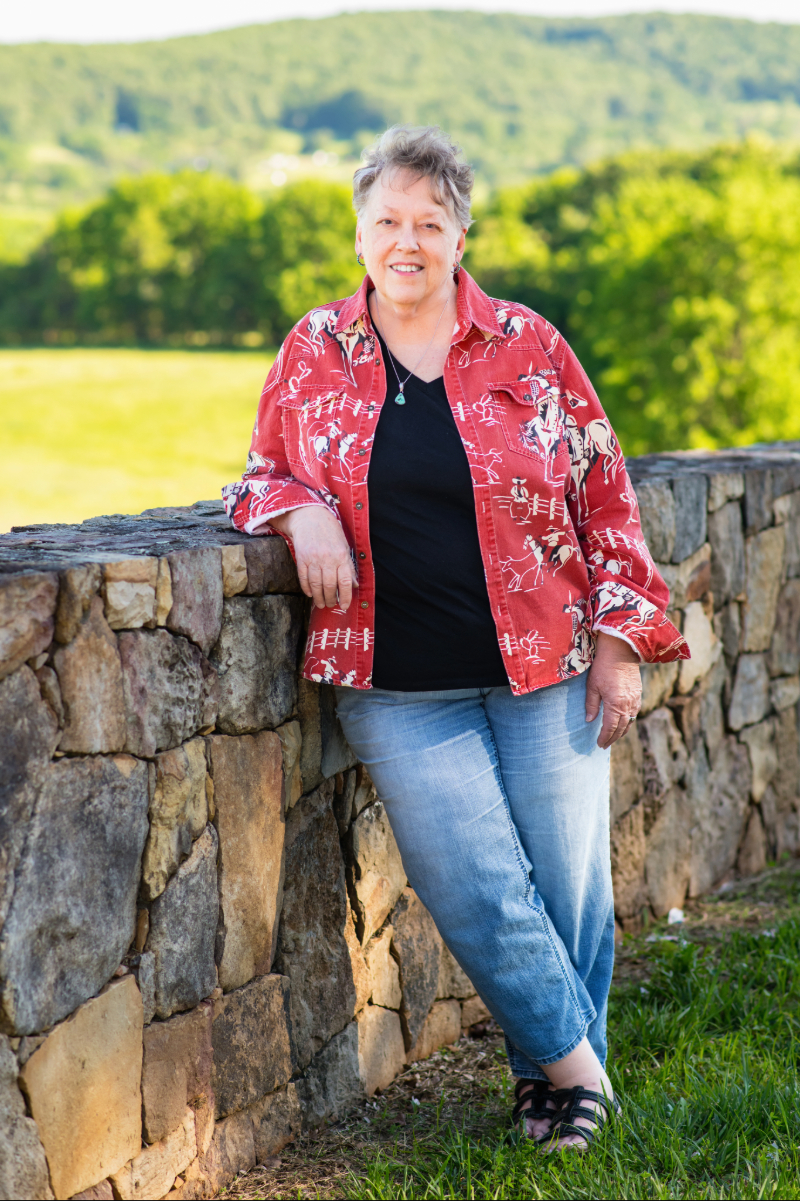
The Question Is No Longer Whether Women’s Stories Survived, but Whether Future Generations Will Be Able to Find Them, says Diane Helentjaris
LOS ANGELES, CA, UNITED STATES, July 6, 2026 /EINPresswire.com/ — Open an archive or search a digital collection of women’s history, and something quickly becomes clear: the names are there, but they are not always easy to find. Author Diane Helentjaris says the real issue is not absence, but visibility, shaped by how information is recorded, labeled, and searched. She points to metadata as a key factor in whether women’s stories surface in digital archives or remain buried in hard-to-access corners of the historical record.
“Women’s history isn’t absent, it’s hidden,” Helentjaris says. “The question is no longer whether women’s stories survived. The question is whether future generations will be able to find them.”
Historians and museum professionals say this is not a theoretical concern, but a structural issue built into how records are organized, cataloged, and retrieved in both physical and digital archives.
Recent Smithsonian research underscores how incomplete or inconsistent metadata can unintentionally erase visibility, making women’s contributions to science, exploration, and cultural life significantly harder to locate in digital systems. In effect, what cannot be properly labeled often cannot be found.
“When records are mislabeled or incomplete, entire lives can disappear from search results,” she explains. “It creates the illusion that women were less present, less active, or less influential than they truly were. Without proper metadata, stories like Lulu Bell and others cannot be found or fully told.”
That challenge is not abstract. Helentjaris’ book I Ain’t Afraid: The World of Lulu Bell Parr, Wild West Cowgirl was born out of extensive online and archival research aimed at uncovering the life of a woman whose story might otherwise remain fragmented or overlooked. The biography of Lulu Bell Parr, a real-life Wild West cowgirl, demonstrates how women’s histories are often preserved in scattered records that require deep research to assemble into a coherent narrative.
The Smithsonian’s ongoing work in improving discoverability reinforces this problem. Scholars and archivists have found that stronger metadata practices, including correcting names, linking records, and refining digital cataloging systems, can directly restore visibility to overlooked women in science, art, and public life.
Helentjaris argues that this work is not just about archives, but about cultural memory and representation in the digital age.
“As more of our history moves online, discoverability becomes everything,” she notes. “If women’s stories are not searchable, they may as well not exist to the public.”
Traditionally, women’s stories have been passed down in non-traditional ways. Helentjaris says that, from sharing recipes to fashion, women’s stories have been carried through everyday practices, oral histories, and cultural traditions that often fall outside formal historical records. As a result, much of this legacy has been preserved informally, even when it is not fully reflected in official archives.
“Women have always been part of history,” Helentjaris concludes. “Now we have to make sure history is built in a way that lets us actually see them.”
About Diane Helentjaris
Diane Helentjaris is an author and historian whose work focuses on uncovering the overlooked and often hidden stories of women in history. Through her research and writing, she examines how historical records are created, preserved, and accessed, with a particular emphasis on the role of archives and digital discovery in shaping what the public can find. Her work, including I Ain’t Afraid: The World of Lulu Bell Parr, Wild West Cowgirl, brings forgotten women and their contributions back into view through careful archival research and storytelling. Born in southern Ohio, Helentjaris studied in Michigan and Quebec before beginning a career in medicine, later returning to her lifelong passion for history and writing. She continues to advocate for making women’s history more visible and accessible in the digital age.
To learn more, click here:
Diane Helentjaris is available for interviews.
Amanda Kent
Boundless Media USA
+1 313-403-5636
email us here
Legal Disclaimer:
EIN Presswire provides this news content “as is” without warranty of any kind. We do not accept any responsibility or liability
for the accuracy, content, images, videos, licenses, completeness, legality, or reliability of the information contained in this
article. If you have any complaints or copyright issues related to this article, kindly contact the author above.

Media gallery