
Expert Guidance on Effective Basement Waterproofing Methods and Materials
Pitcairn, United States – June 29, 2026 / ARK Basement Services /
By Mike Perry, ARK Basement Services
Selecting an appropriate interior waterproofing solution for basement walls is essential to prevent water damage and preserve your home’s structural integrity. Moisture problems commonly lead to mold growth, structural deterioration, and costly repairs. This guide outlines the key factors to consider when choosing waterproofing strategies and materials, reviews common signs of water intrusion, examines effective methods, addresses the role of foundation repair, and explains how crawlspace measures affect overall moisture control.
Key Takeaways
- Identifying early signs like water stains and musty odors is crucial for preventing basement water damage.
- Hydrostatic pressure and poor drainage are common causes of interior basement wall water intrusion.
- Waterproof membranes, French drains, and sump pumps offer varying levels of protection against basement moisture.
- High-quality sealants should provide water resistance, durability, and ease of application for effective waterproofing.
- Foundation repair is essential before waterproofing to prevent cracks from worsening and allowing water entry.
- Crawlspace encapsulation and dehumidifiers support basement health by controlling moisture and preventing mold growth.
- Costs for interior basement waterproofing typically range from $1,500 to $10,000 depending on materials and methods.
- Professional waterproofing enhances property value by protecting against moisture-related damage and structural issues.
What Are the Common Signs and Causes of Basement Wall Water Intrusion?
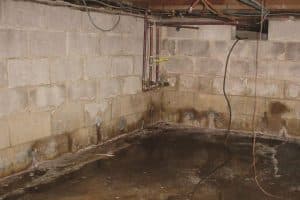 Water intrusion in basements can cause serious problems if not addressed promptly. Common visible signs include mold growth, water stains, and efflorescence on walls, as well as damp spots, musty odors, and peeling paint.
How to Identify Early Indicators of Basement Moisture Problems
Early detection reduces repair costs and limits damage. Routine checks should seek water stains, musty odors, and other indicators so issues can be remediated before they escalate.
What Underlying Factors Lead to Interior Basement Wall Water Damage?
Several factors drive water intrusion. Hydrostatic pressure from rising groundwater can push moisture through walls, poor grading can channel water toward the foundation, and inadequate drainage systems can worsen leaks.
Which Interior Basement Waterproofing Methods Provide Lasting Protection?
Various interior waterproofing methods can effectively prevent water ingress. Evaluate each option for its suitability to your basement’s conditions and performance requirements; for robust protection, consider solutions such as interior basement waterproofing.
How Do Waterproof Membranes, French Drains, and Water Barriers Compare?
Waterproof membranes form a continuous barrier on walls to block moisture penetration. French drains placed at the perimeter collect and redirect water away from the foundation, and water barriers offer added protection against leaks. Each method suits different site conditions and levels of risk.
What Are the Benefits of Integrating Sump Pump Systems in Interior Waterproofing?
Incorporating sump pump systems improves moisture control by removing accumulated water and reducing flood risk. Properly installed pumps complement membranes and drainage systems by managing water before it causes damage.
How to Evaluate and Select the Best Basement Sealants and Waterproofing Materials?
Choose sealants and materials that prioritize moisture resistance and mold prevention. Assess product longevity, manufacturer specifications, and suitability for your basement’s exposure to water to ensure a durable result.
What Criteria Determine High-Quality Basement Sealants?
When selecting basement sealants, consider the following:
- Water Resistance: Products should effectively block moisture penetration.
- Durability: Sealants must withstand seasonal temperature fluctuations.
- Ease of Application: User-friendly options facilitate installation.
Which Advanced Waterproof Membranes and Materials Offer Superior Durability?
Advanced membranes use higher-density polymers and greater flexibility to resist cracking and degradation. These materials typically deliver longer-lasting protection under variable temperature and moisture conditions than traditional options.
What Role Does Foundation Repair Play in an Interior Waterproofing Strategy?
Foundation repair is integral to an effective waterproofing plan. Structural defects can worsen moisture problems, so addressing foundation issues before installing waterproofing systems is essential to long-term performance.
Why Is Repairing Foundation Cracks Critical Before Waterproofing?
Repairing foundation cracks before waterproofing prevents direct water entry and stops small defects from enlarging. Ignoring cracks allows moisture to exploit weaknesses and increases future repair costs.
How Can Combining Foundation Repair with Waterproofing Prevent Future Damage?
Combining foundation repair with waterproofing reduces pathways for water and stabilizes the structure. A repaired foundation provides a reliable base for drainage systems and membranes, lowering the risk of repeat intrusion.
How Do Crawlspace Waterproofing and Basement Moisture Removal Techniques Support Basement Health?
Crawlspace waterproofing and active moisture removal are key components of a comprehensive moisture-control strategy. These measures reduce conditions that promote mold and structural decay and support a healthier basement environment; effective crawlspace waterproofing forms part of that approach.
Why Is Crawlspace Encapsulation Important for Basement Waterproofing?
Crawlspace encapsulation seals the area with moisture-resistant materials to block humidity and pests. This containment improves air quality and reduces moisture transfer to adjacent basement spaces.
How Do Dehumidifiers Complement Waterproofing and Mold Prevention Efforts?
Using dehumidifiers alongside waterproofing maintains appropriate indoor humidity, limiting mould growth. These devices help control airborne moisture that sealants and drainage alone may not address.
What Are the Typical Costs and ROI Considerations for Interior Basement Waterproofing Solutions?
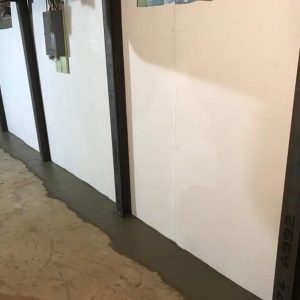 Understanding costs helps with budgeting and decision-making. Investment in waterproofing typically reduces long-term repair expenses and can improve property value, offering measurable return over time.
How to Estimate Costs Based on Selected Materials and Systems?
Costs vary with chosen methods and materials, site conditions, and labor. Homeowners should expect a typical range of $1,500 to $10,000 for comprehensive interior waterproofing installations, depending on scope and techniques used.
What Long-Term Value Does Professional Waterproofing Provide for Homeowners?
Professional waterproofing protects the home from moisture damage and contributes to marketability. Documented, correctly installed systems reduce risk for future buyers and support property value preservation.
Different waterproofing methods and materials deliver varying degrees of protection. A clear comparison of options enables homeowners to select the most appropriate solution for their basement’s specific conditions.
| Method | Description | Effectiveness |
|---|---|---|
| Waterproof Membranes | Protective layer on walls | High |
| French Drains | Redirects water away from foundation | Medium |
| Sump Pumps | Actively removes water accumulation | High |
In conclusion, the appropriate waterproofing method depends on your basement’s conditions and long-term goals. Consulting with experienced professionals such as Ark Basement Services will help identify the solution best suited to your needs.
Frequently Asked Questions
What is the difference between interior and exterior basement waterproofing?
Interior waterproofing targets water entry points within the basement, using sealants, interior drainage, and pumps. Exterior waterproofing addresses moisture at the source outside the foundation, often involving excavation and the installation of external membranes or French drains. Both approaches can be effective; combined strategies address moisture from multiple angles and offer the most comprehensive protection.
How often should I inspect my basement for water issues?
Inspect your basement at least twice a year and after heavy rainfall or snowmelt. During inspections, check for water stains, mold, dampness, and any signs of new leakage to ensure systems remain effective.
Are DIY waterproofing methods effective?
DIY measures can be effective for minor issues and routine maintenance, such as applying basic sealants or installing a dehumidifier. However, complex problems or structural concerns typically require professional assessment and installation to ensure lasting results.
What factors impact the choice of waterproofing products?
Product selection depends on the required system type (coatings versus drainage), the basement’s current condition, local climate and budget. Prioritize durability, moisture resistance, and suitability for the specific application, and seek professional advice when needed.
What are the consequences of ignoring basement water issues?
Ignoring water issues can lead to mold growth, compromised indoor air quality, structural deterioration, and escalating repair costs. Over time, water intrusion can weaken foundations and necessitate significant remediation; early intervention mitigates these risks.
Is it necessary to hire professionals for basement waterproofing?
For minor maintenance, homeowners may manage certain tasks, but hiring professionals is recommended for significant moisture problems. Professionals bring diagnostic experience, specialized equipment, and proven installation practices that reduce the likelihood of recurring issues and can save time and expense long-term.
Conclusion
Choosing the correct interior waterproofing method is essential to protect your home from water damage and preserve structural integrity. Implementing effective waterproofing reduces moisture-related issues, supports property value and promotes a healthier living environment. Begin by consulting waterproofing experts who can design a solution tailored to your property. Explore our services today to secure reliable protection and safeguard your investment.


Contact Information:
ARK Basement Services
532 Broadway Blvd
Pitcairn, PA 15140
United States
Mike Perry
(866) 939-2837
https://www.arkbasementservices.com/


